National Events

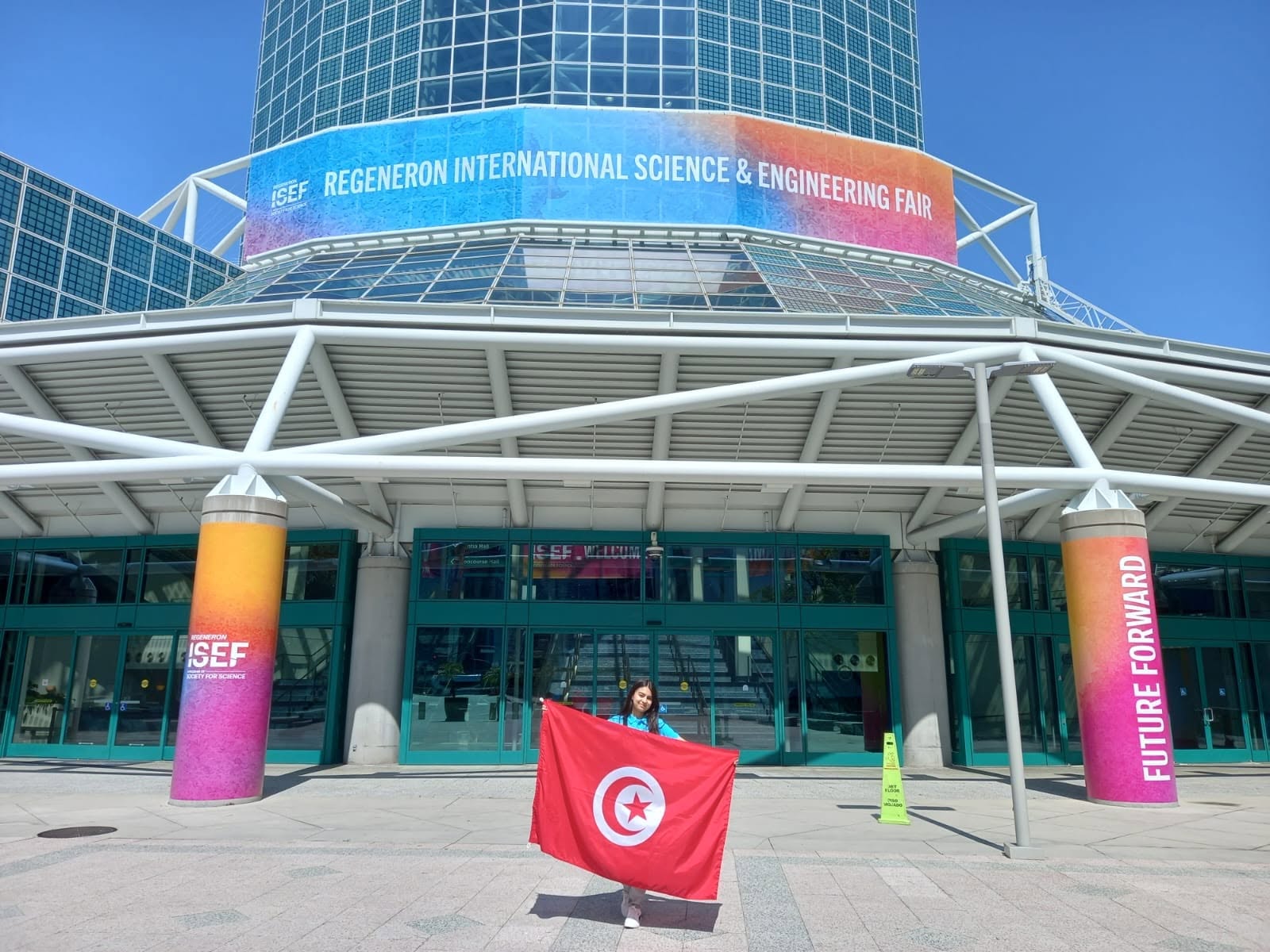
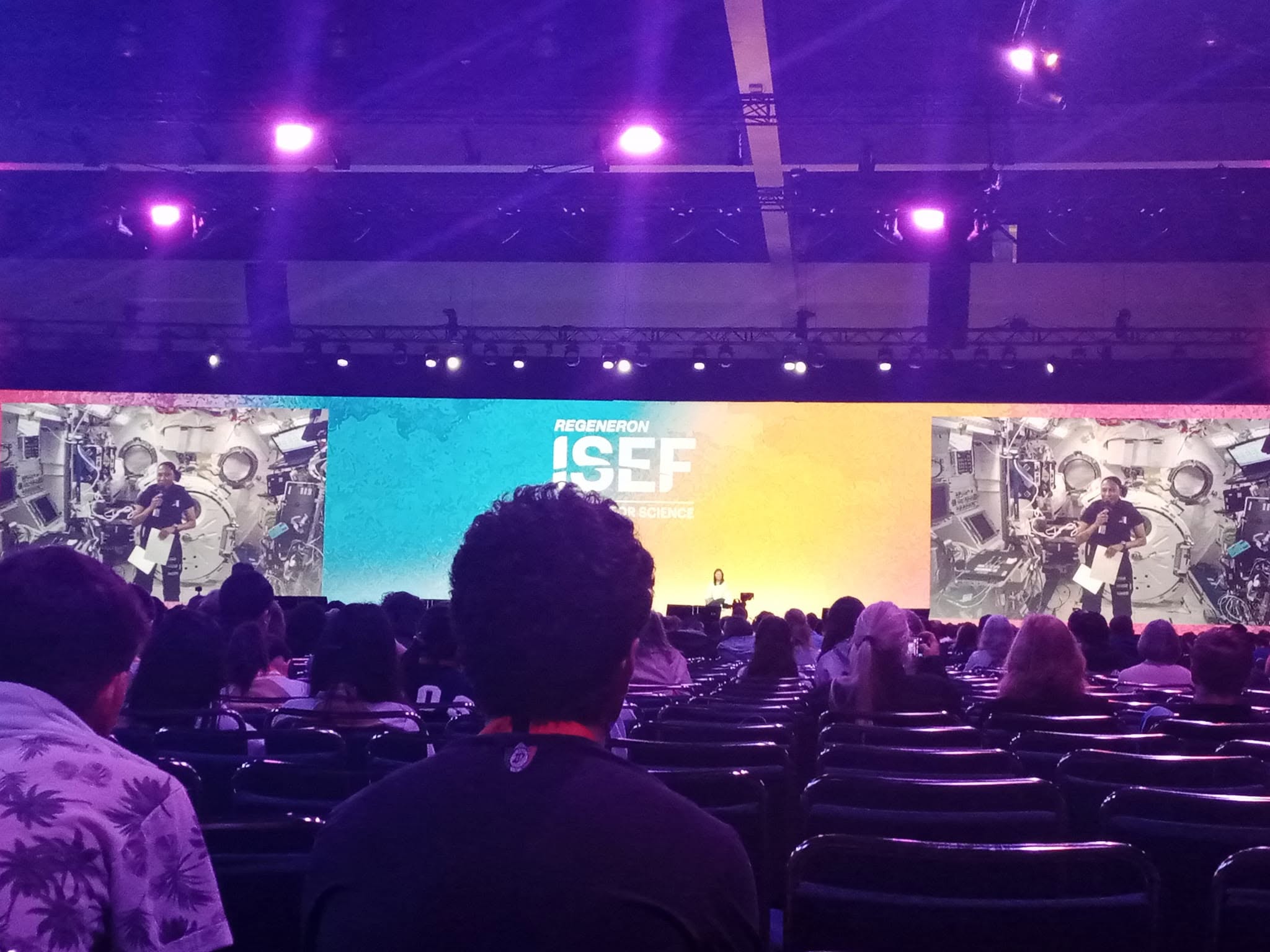
Regeneron ISEF

The world's largest international pre-college science competition — where the most exceptional young researchers compete for over $7 million in prizes.

75+ Years of Excellence 75+ Countries & Territories 1,700+ Finalists $7M+ in Awards

What Is Regeneron ISEF?

The International Science and Engineering Fair is the world's most prestigious pre-college science research competition, managed by Society for Science — a nonprofit based in Washington, D.C.

Running for over 75 years, ISEF , with 22 scientific categories, brings together the most outstanding student scientists and engineers from more than 75 countries, regions, and territories. Each year, over 1,700 finalists converge to present their original research to nearly 1,000 expert judges — all volunteers with Ph.D.-level credentials or equivalent expertise.
75+ Years Running
1,700+ Finalists Per Year
22 Science Categories
$7M+ Total Prize Pool

Tunisia's Path to ISEF

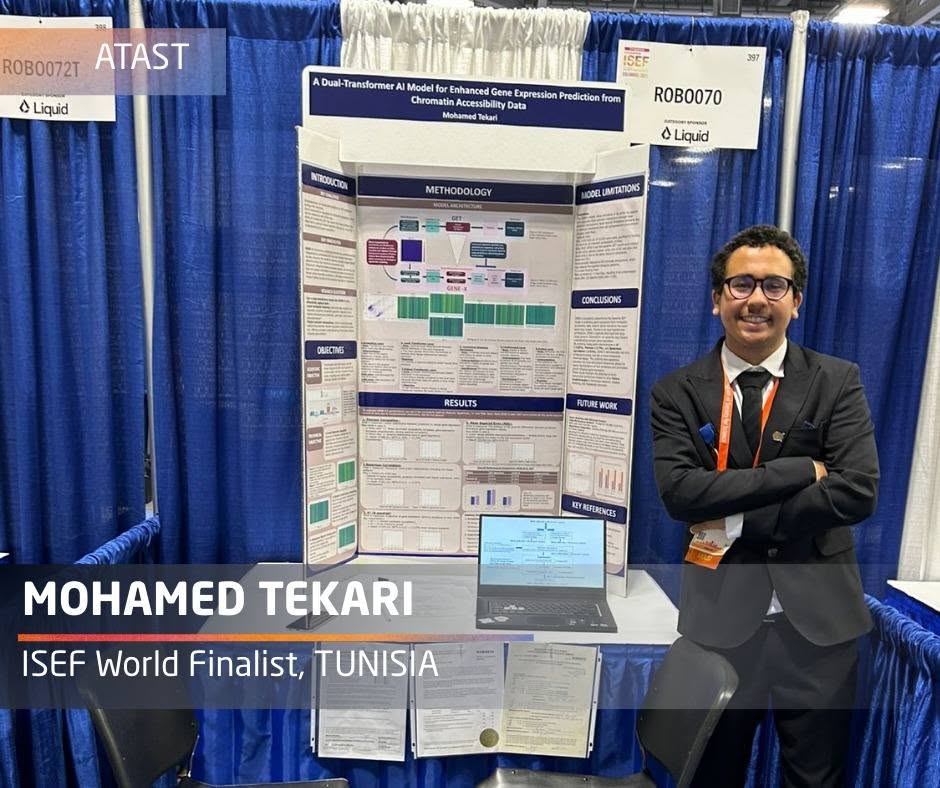
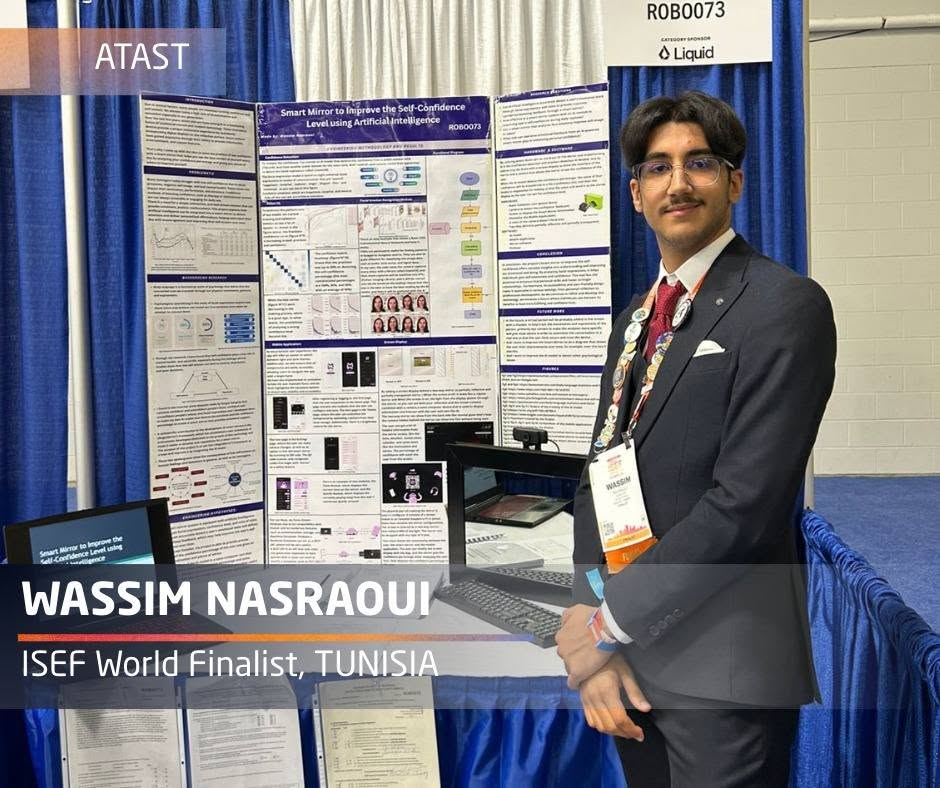
ATAST serves as Tunisia's affiliated science fair organisation — the official gateway through which Tunisian students earn their place at Regeneron ISEF.

To compete at ISEF, students do not simply apply — they must win at an affiliated national fair. ATAST organises the Tunisian national selection process, evaluating student research projects across all eligible categories. Only the most exceptional projects advance to represent Tunisia at the international level.

This makes ATAST's national qualifier one of the most selective and meaningful science competitions in Tunisia. Winning a spot to ISEF through ATAST is a mark of genuine scientific excellence — and it places Tunisian students alongside the best young researchers from over 75 countries.

Show Interest Learn More
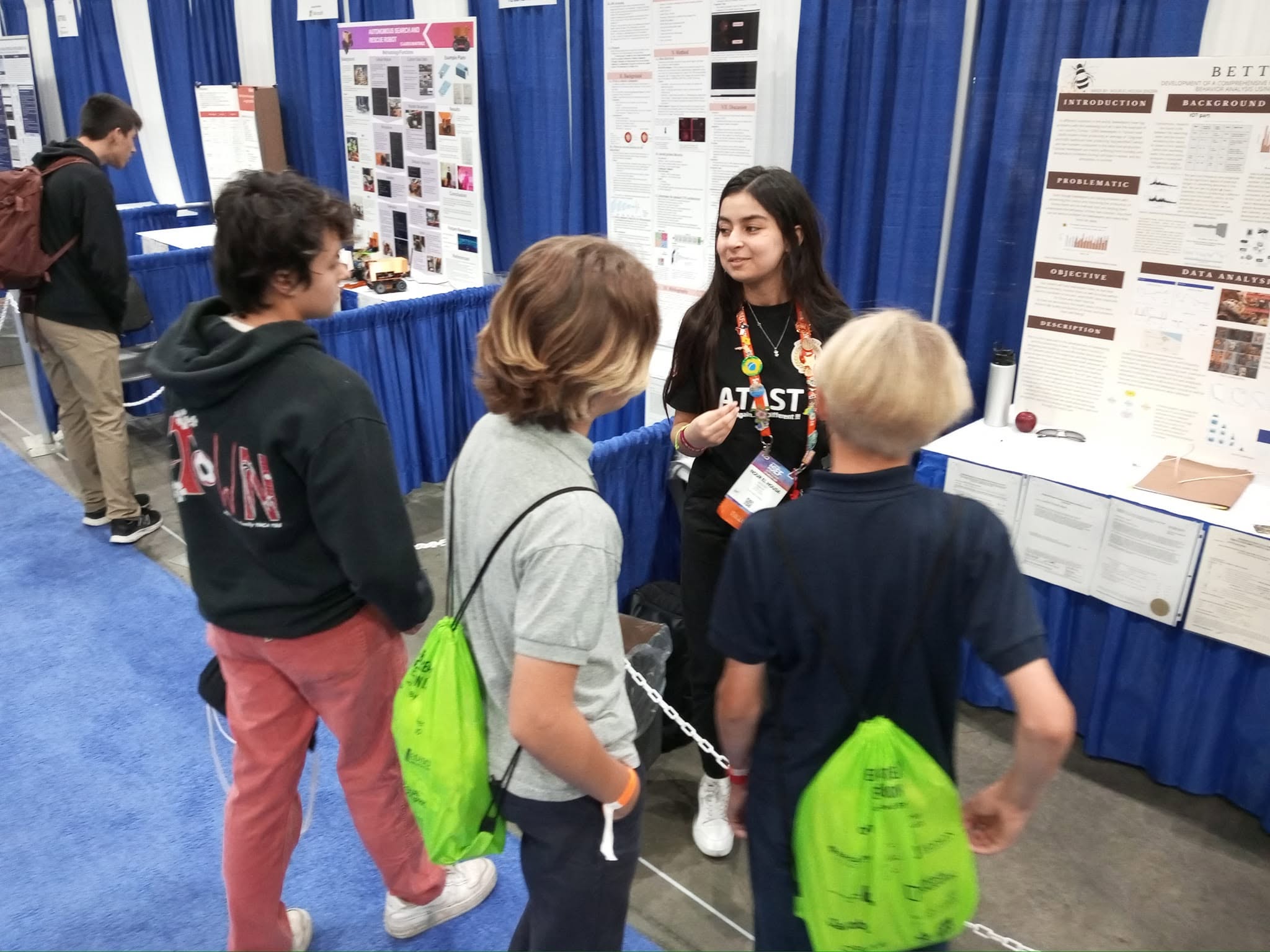
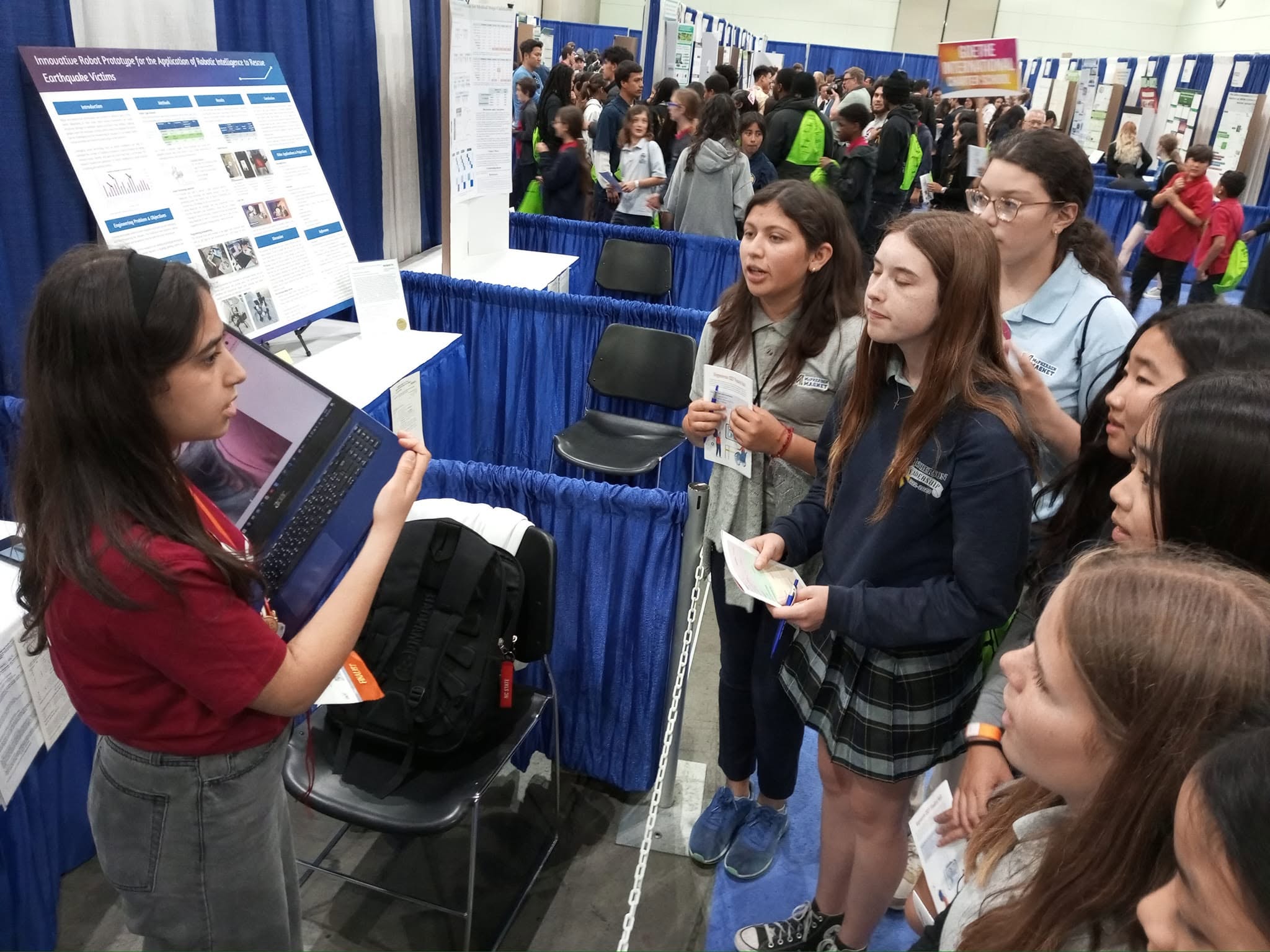
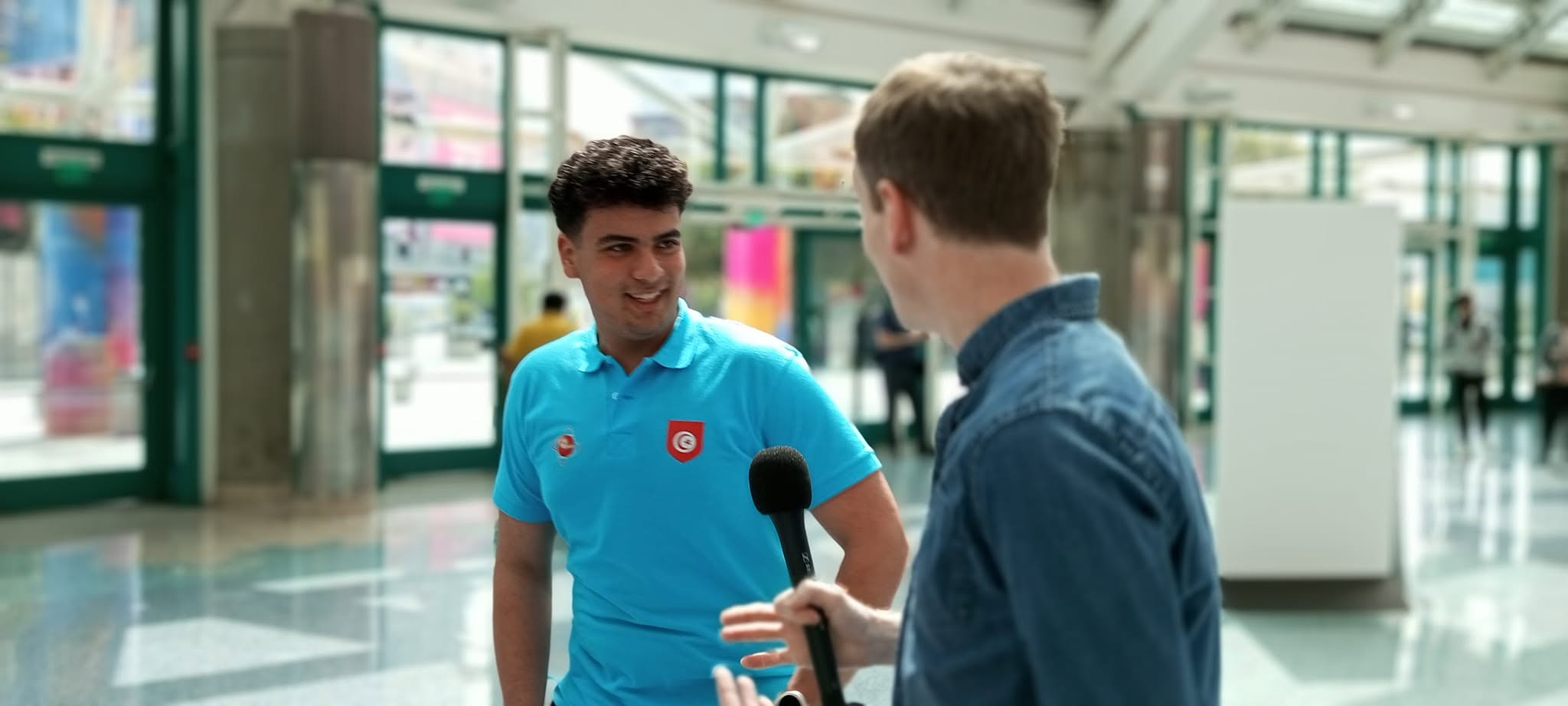
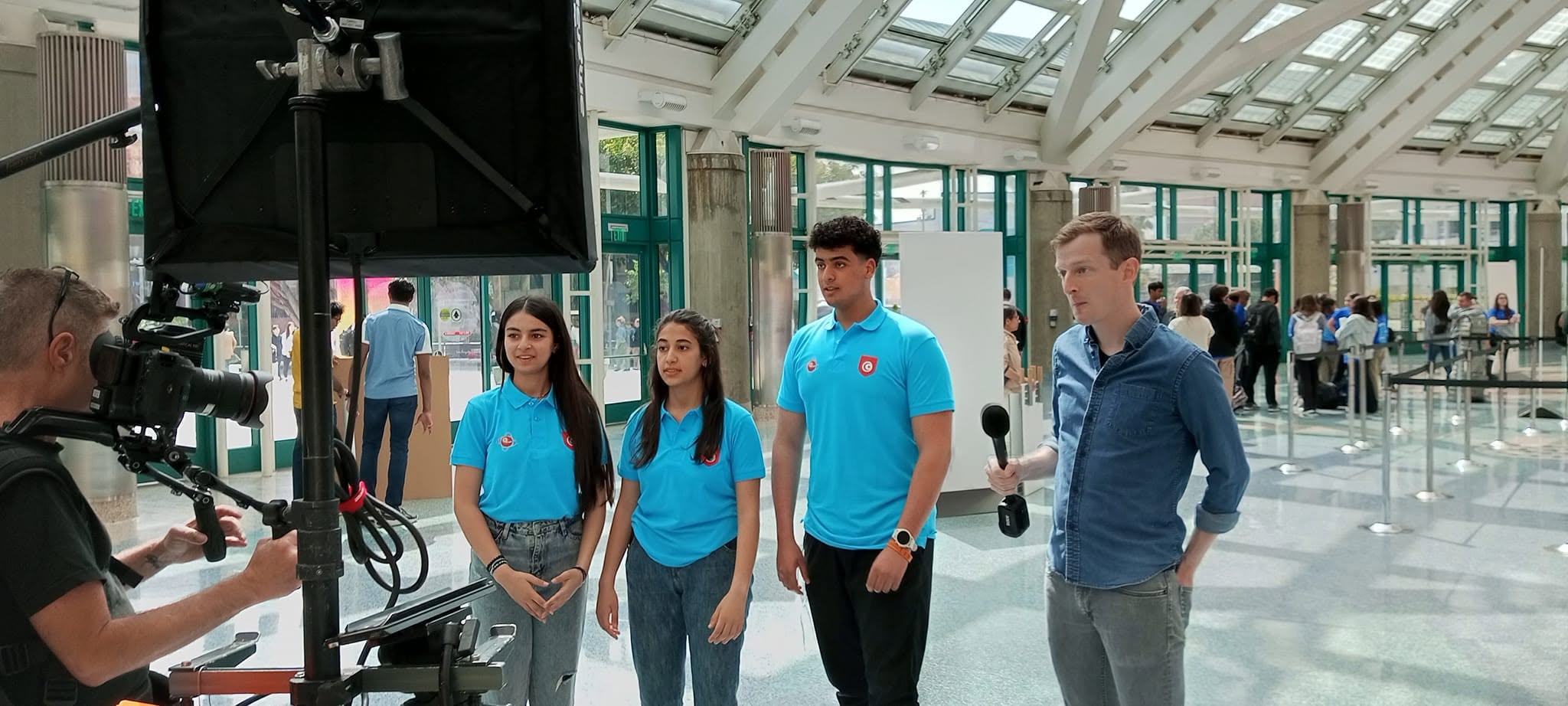
ATAST Tunisia team at ISEF

22 Scientific Disciplines

ISEF accepts original research in virtually every field of science and engineering. Projects are evaluated by specialists in each domain.

Animal Sciences

Research on animal biology, behaviour, and ecology.

Behavioral & Social Sciences

Psychology, sociology, and human behaviour studies.

Biochemistry

Chemical processes and substances within living organisms.

Biomedical & Health Sciences

Medical research, disease prevention, and human health.

Biomedical Engineering

Devices, systems, and solutions for medical applications.

Cellular & Molecular Biology

Cell structure, molecular mechanisms, and genetic processes.

Chemistry

Inorganic, organic, and analytical chemistry research.

Computational Biology & Bioinformatics

Algorithmic and computational approaches to biological data.

Earth & Environmental Sciences

Geology, meteorology, oceanography, and ecology research.

Embedded Systems

Hardware-software integrated systems and IoT devices.

Energy: Chemical

Batteries, fuel cells, and chemical energy storage systems.

Energy: Physical

Solar, wind, nuclear, and physical energy conversion research.

Engineering: Electrical & Mechanical

Circuits, machines, and electromechanical system design.

Engineering: Materials & Bioengineering

New materials, composites, and biological engineering applications.

Environmental Engineering

Technologies and systems for environmental remediation and sustainability.

Mathematics

Pure and applied mathematics, statistics, and mathematical modelling.

Microbiology

Bacteria, viruses, fungi, and microbial ecosystems research.

Physics & Astronomy

Fundamental physics, optics, and space science investigations.

Plant Sciences

Botany, plant physiology, agriculture, and crop research.

Robotics & Intelligent Machines

Autonomous systems, machine learning, and AI-driven hardware.

Systems Software

Operating systems, compilers, programming languages, and software architecture.

Translational Medical Science

Bridging laboratory discoveries to clinical medical applications.

Earning a Place at ISEF

ISEF finalists are not selected — they win their way in. The path from idea to the international stage demands genuine scientific rigour.

01

Original Research

Develop an independent research project in one of 22 categories. Projects must involve no more than 12 months of continuous research conducted within 18 months before the competition.

02

Win the ATAST Qualifier

Submit your project to ATAST's national science fair. Only those who place at the top of the national competition earn the right to represent Tunisia at ISEF.

03

Official Affiliation

ATAST, as a Society for Science affiliated organisation, formally submits Tunisia's selected projects and registers the finalists for the international competition.

04

Travel to the Host City

Finalists travel to the ISEF host city — past venues include Los Angeles, Atlanta, and Phoenix. The 2026 event was held at the Phoenix Convention Center.

05

Multi-Round Judging

Nearly 1,000 volunteer PhD-level judges evaluate projects across multiple rounds. Each project is reviewed at least four times by specialists in the relevant field.

06

Awards Ceremony

Over 600 finalists receive recognition including category awards, grand prizes, and special awards from 45+ professional partner organisations — totalling over $7 million.

Over $7 Million in Recognition

ISEF distributes the most generous prize pool of any high school science competition in the world.

🥇

Regeneron Young Scientist Awards

$75,000

Two awards of $75,000 each, given to the most exceptional runner-up projects.

🎖

Gordon E. Moore Award

$50,000

Awarded for outstanding research in environmental science and sustainability.

💡

Craig R. Barrett Award for Innovation

$10,000

Recognises highly innovative and transformative research approaches.

Category Grand Awards

Each of the 22 categories distributes its own award tier. For team projects, winnings are split equally among members.

1st Place
$6,000
2nd Place
$2,400
3rd Place
$1,200
4th Place
$600

Special Awards from 45+ Partner Organisations

Beyond the category grand awards, approximately 600 finalists receive additional recognition from professional organisations including NASA, the American Chemical Society, the IEEE, and many others. Winners in select categories also earn a spot at the EU Contest for Young Scientists in Europe — giving ISEF finalists a second international stage.

~1,000
Expert Judges
4×
Min. Reviews Per Project
45+
Partner Orgs

Who Can Compete?

ISEF is open to high school students in grades 9–12. The key requirement is completing an original, rigorous research project and winning the ATAST national qualifier.

  • Currently enrolled in grades 9–12 (high school)
  • Original, independently conducted research project
  • Research conducted within 18 months before competition, max 12 months continuous
  • Must first win at ATAST's affiliated national science fair
  • All 22 scientific and engineering categories are eligible
  • Individual projects and team projects (up to 3 members) accepted
  • Projects must comply with Society for Science ethics and safety guidelines

More Than a Competition

ISEF finalists spend a full week alongside the world's brightest young scientists — and the experience extends far beyond the judging floor.

  • Present research to nearly 1,000 expert judges over multiple rounds
  • Network with finalists from 75+ countries and territories
  • Education Outreach Day — local students visit and meet finalists
  • Interact with Nobel Prize laureates, leading scientists, and STEM industry leaders
  • Access a virtual science fair and global audience for your project
  • Eligible to be nominated for the EU Contest for Young Scientists
  • Join a lifelong community of ISEF alumni — including future Nobel laureates

Where Future Nobel Laureates Begin

ISEF has a 75-year track record of identifying the world's most exceptional young scientists — many of whom go on to reshape science and medicine.

Managed by Society for Science — a nonprofit dedicated to inspiring and recognising the next generation of STEM leaders — ISEF is not just a competition. It is the launching pad for careers in research, medicine, engineering, and entrepreneurship.

For a Tunisian student, earning a place at ISEF through ATAST is a defining credential. It signals to the world's top universities and research institutions that you are not just an exceptional student — you are a genuine scientist who has proven yourself against the best in the world.

ISEF awards ceremony

Our Teams on the World Stage

Team member Team member Team member Team member Team member Team member

Start Your ISEF Journey Through ATAST

Contact ATAST to learn about the national qualifier timeline and how to register your research project. Only the strongest projects advance — start early and make every experiment count.

Show Interest info.atast@gmail.com